
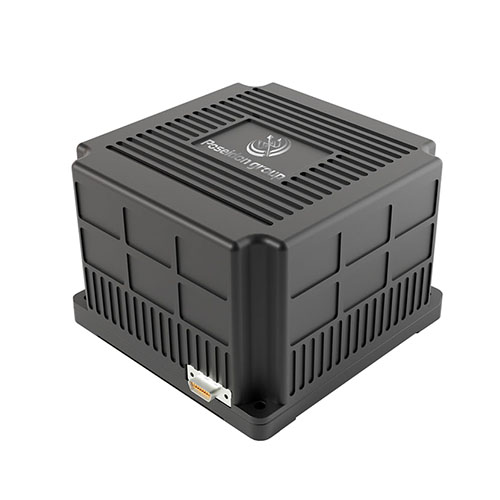
 TBSD60
 BSD120
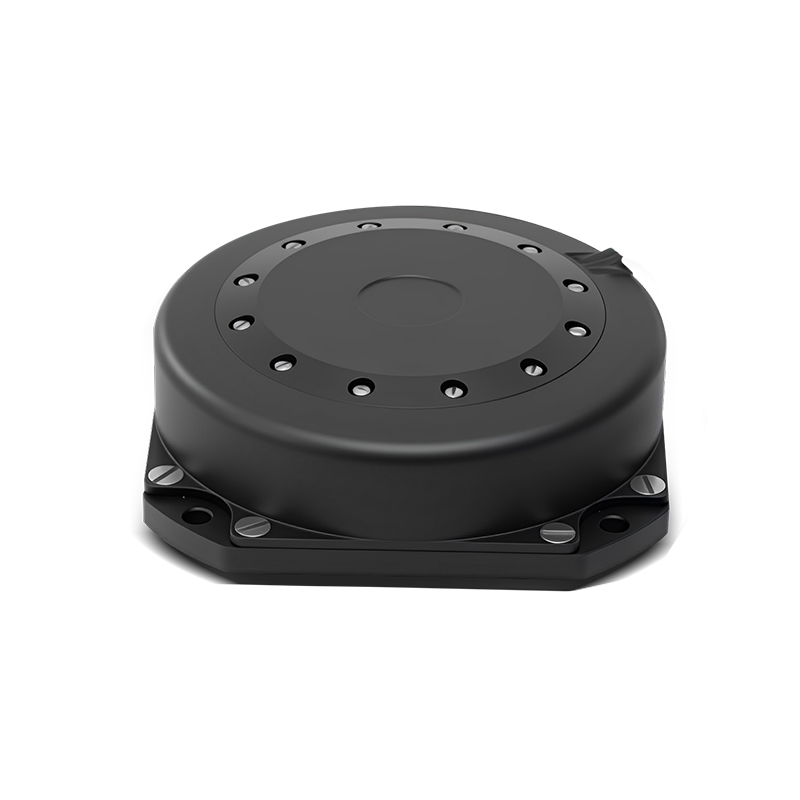 BSD98
BSD98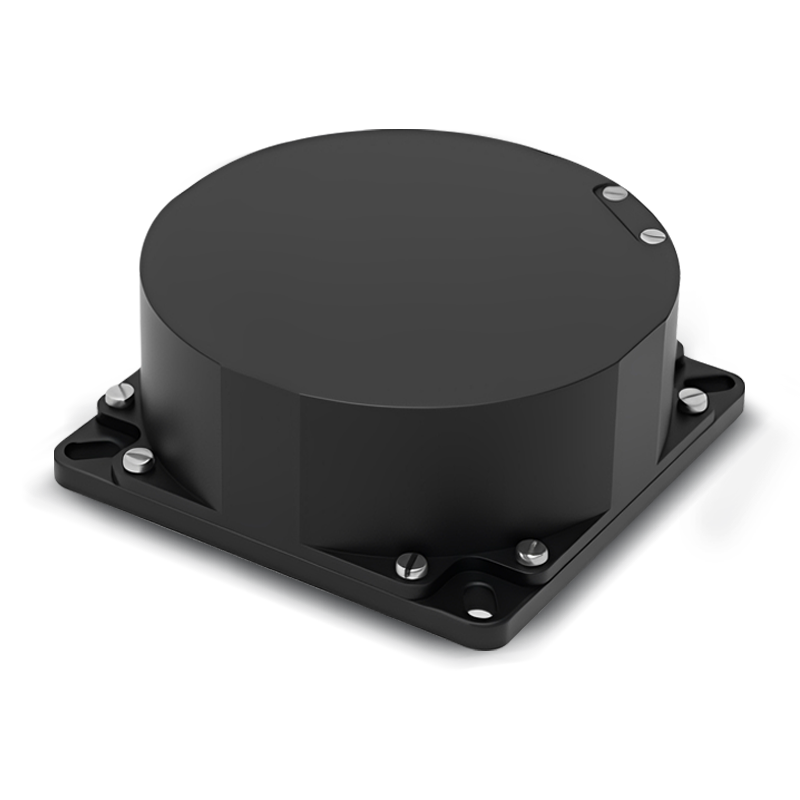 BSD70
BSD70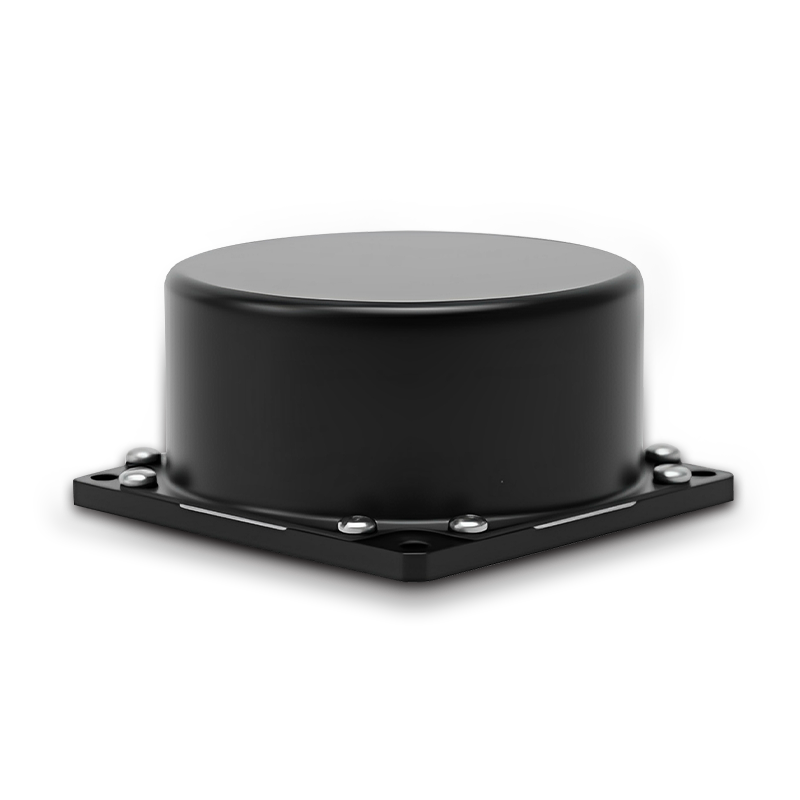 BSD60
BSD60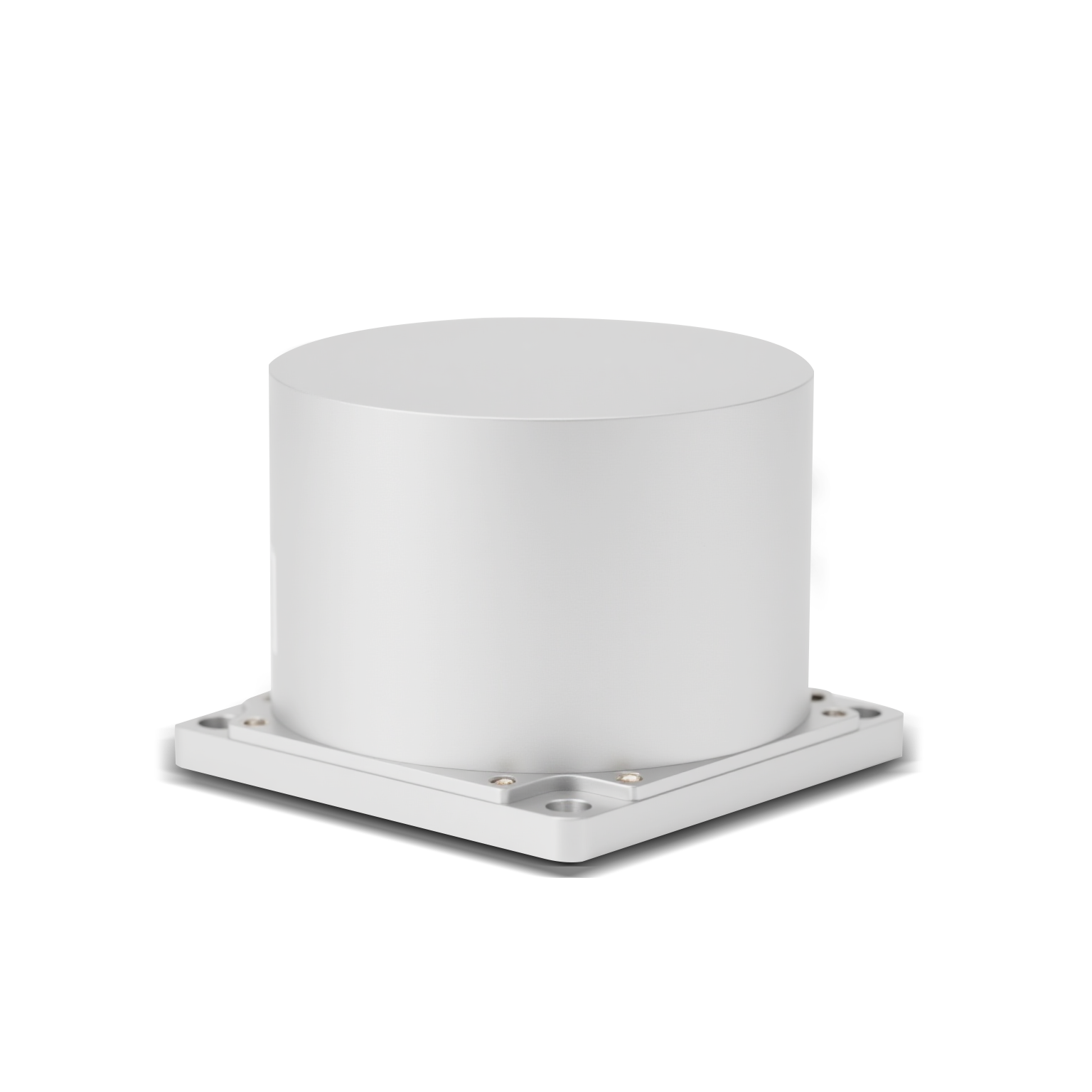 BSD50
BSD50 BSD217
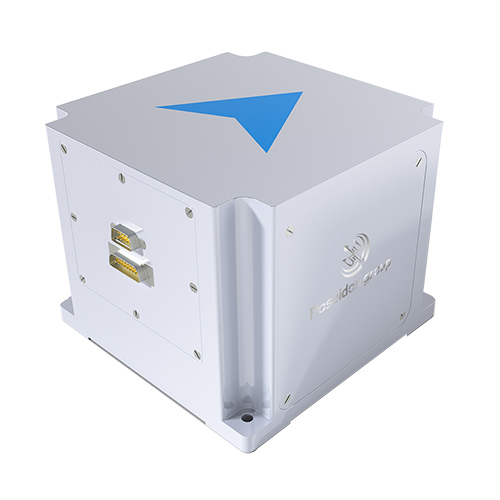 INS1700
 INS970
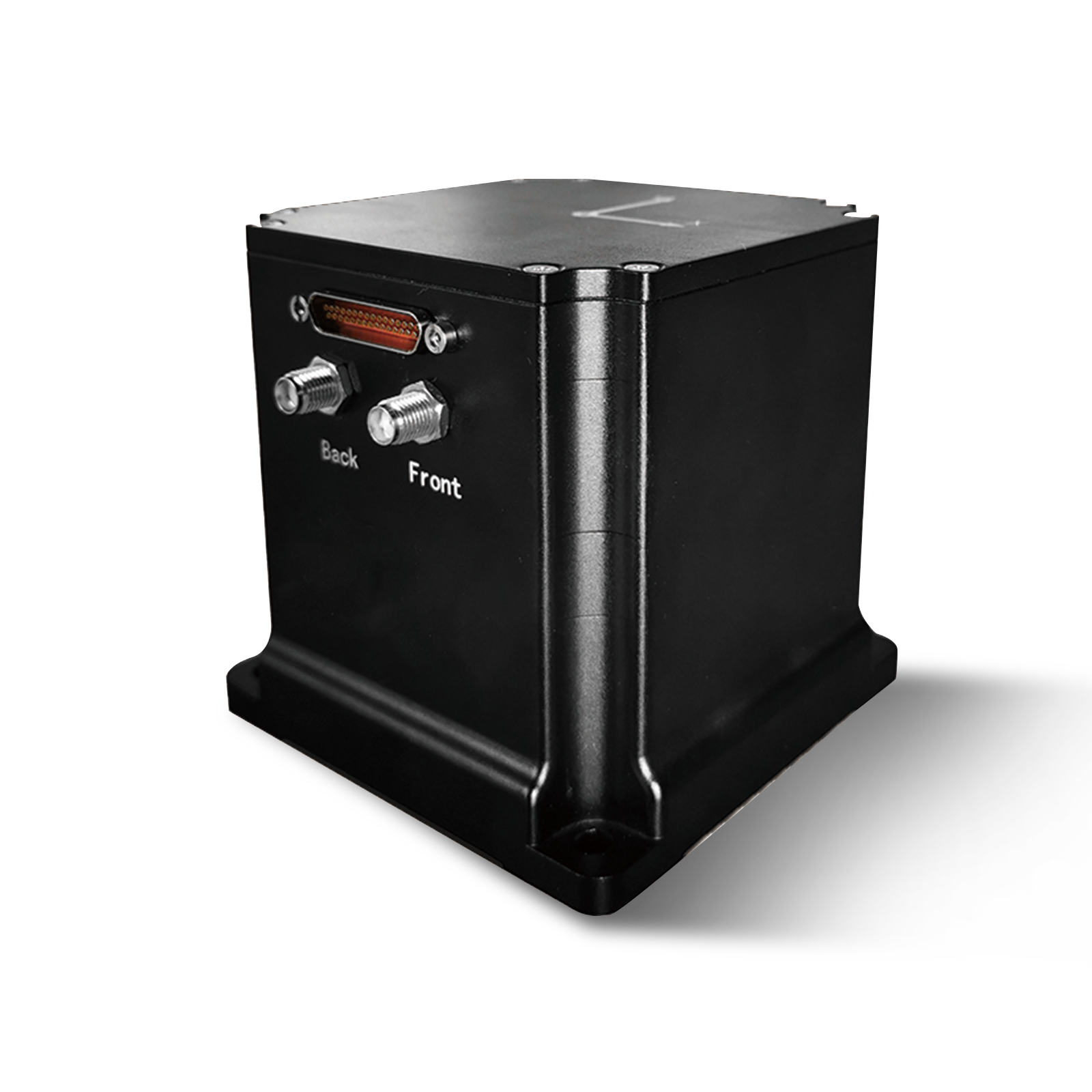 INS570
 INS170
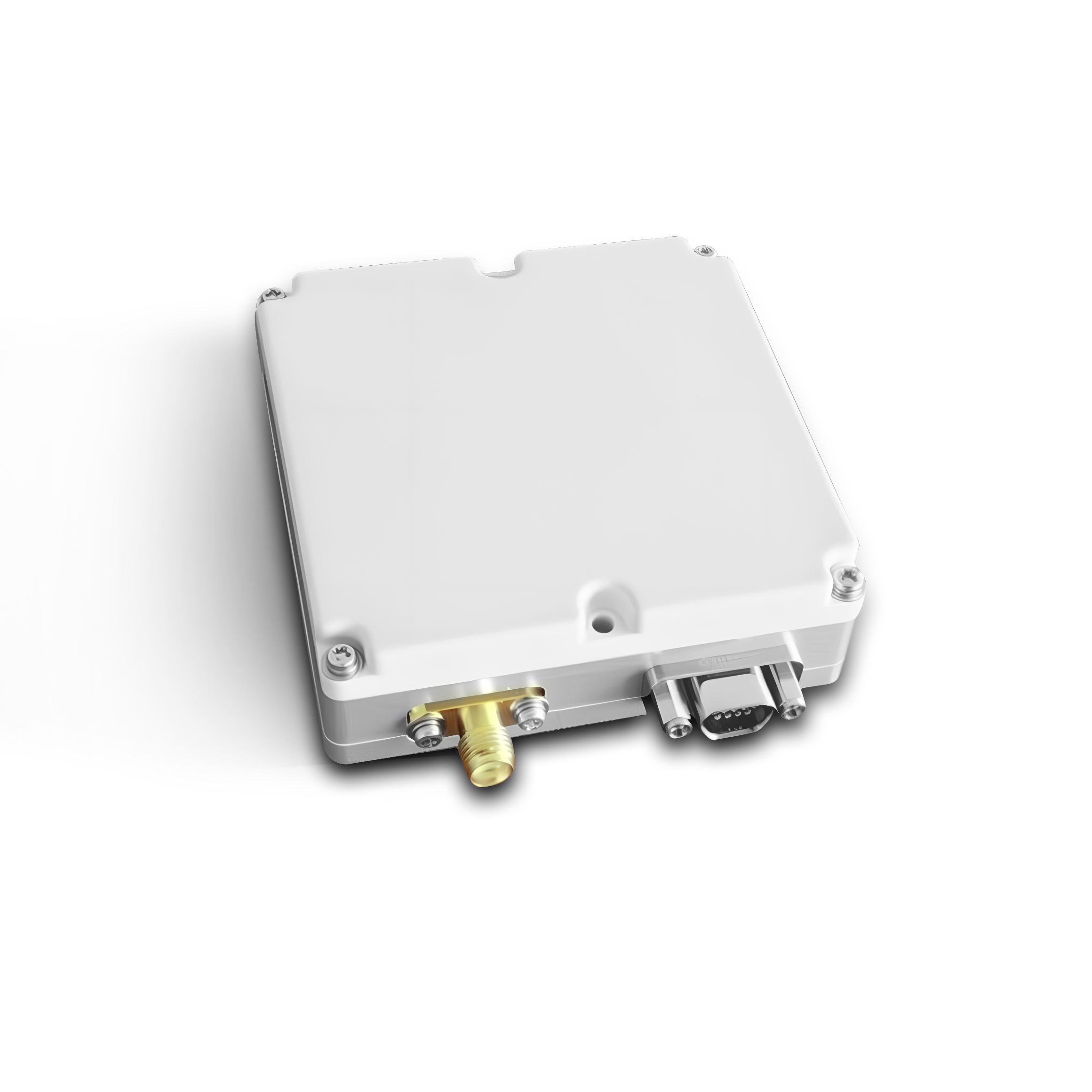 SLA-4B1L1-65
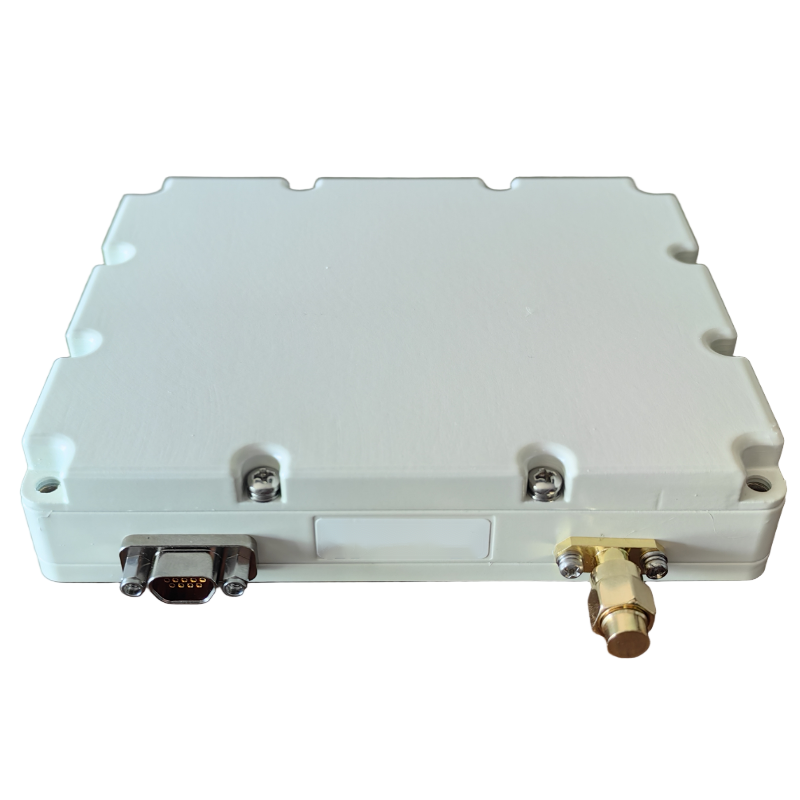 SLA-8B1L1-110
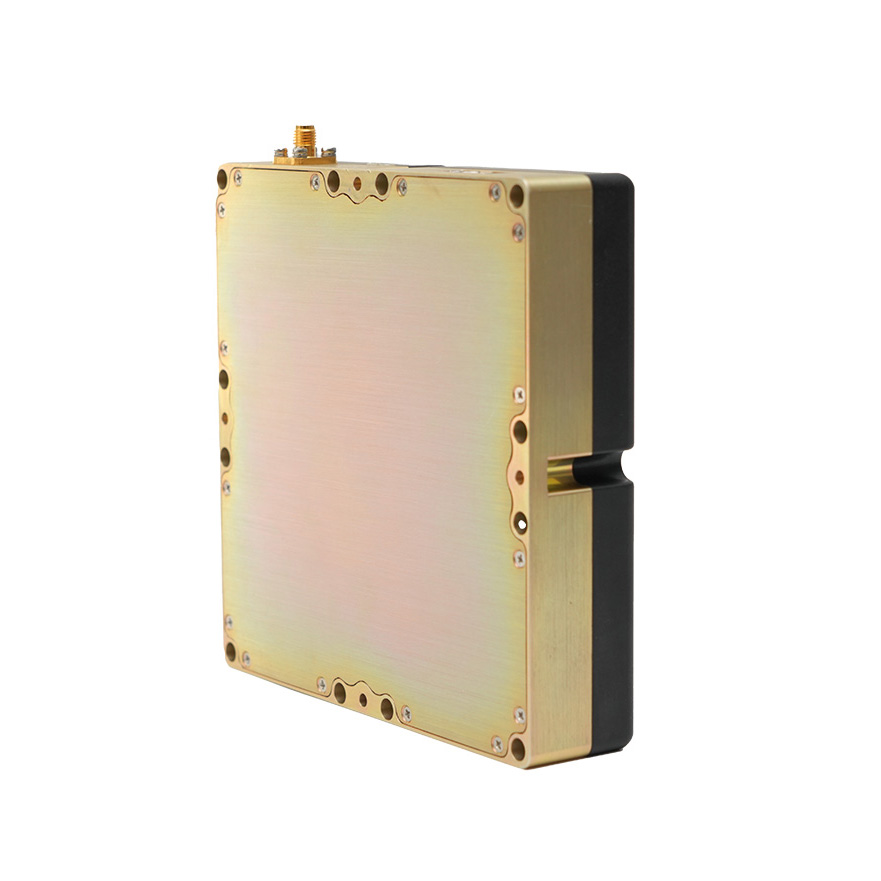 SLA-4B1L1-130
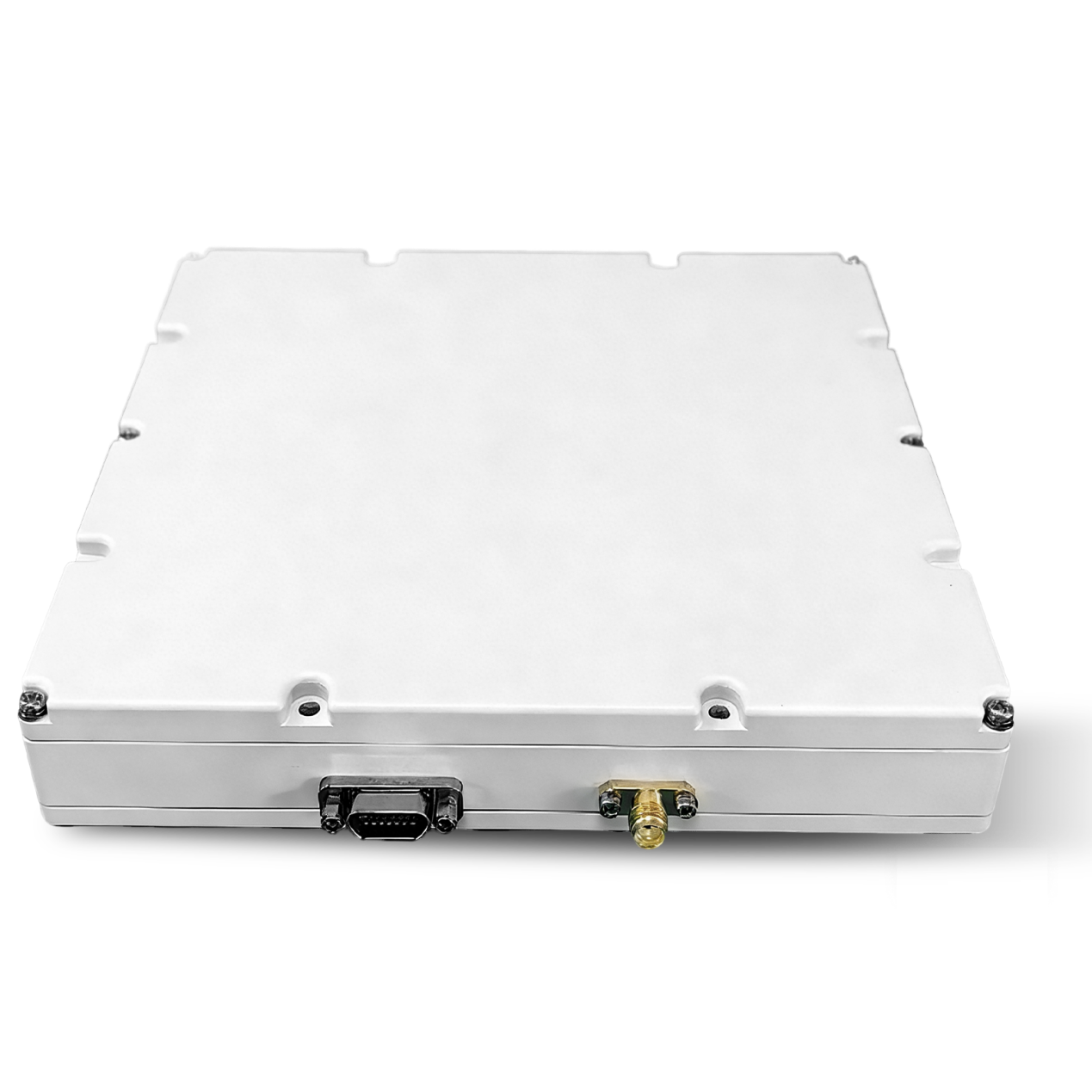 SLA-16B1L1-160
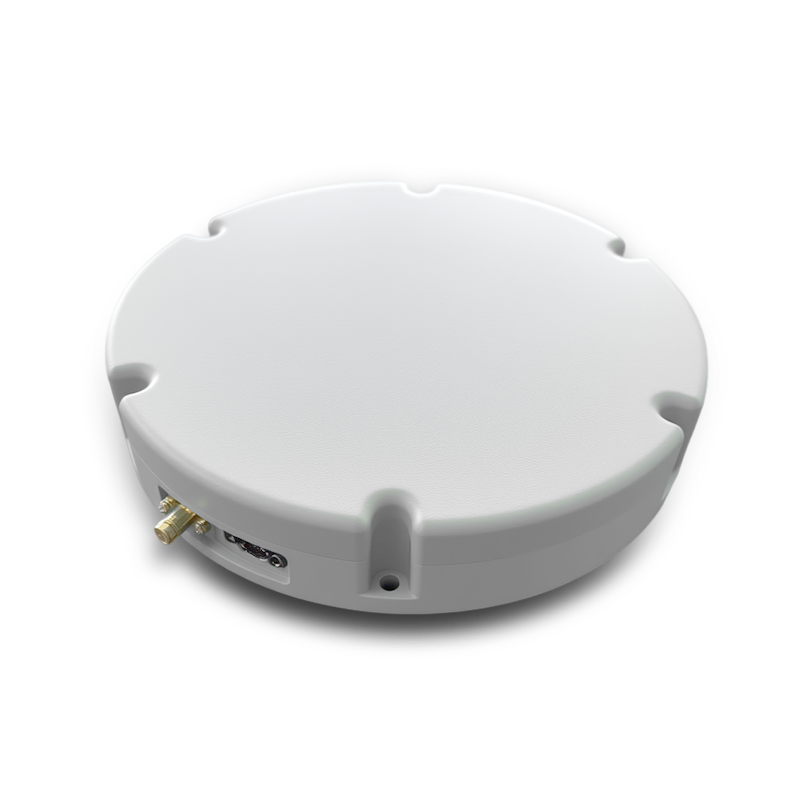 SLA-8B1L1-165
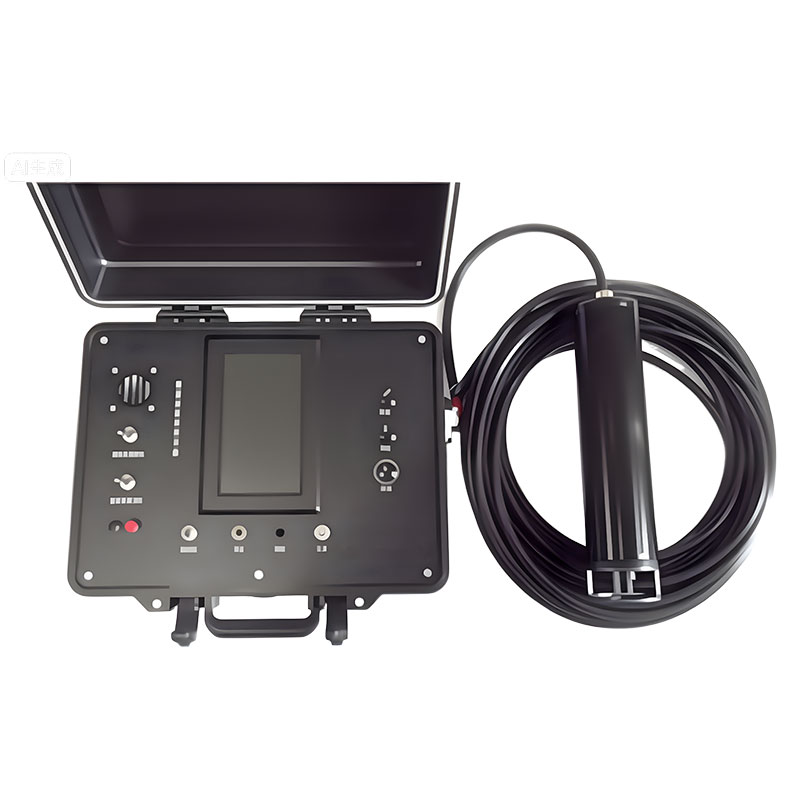 101 Vessel-mounted Positioning
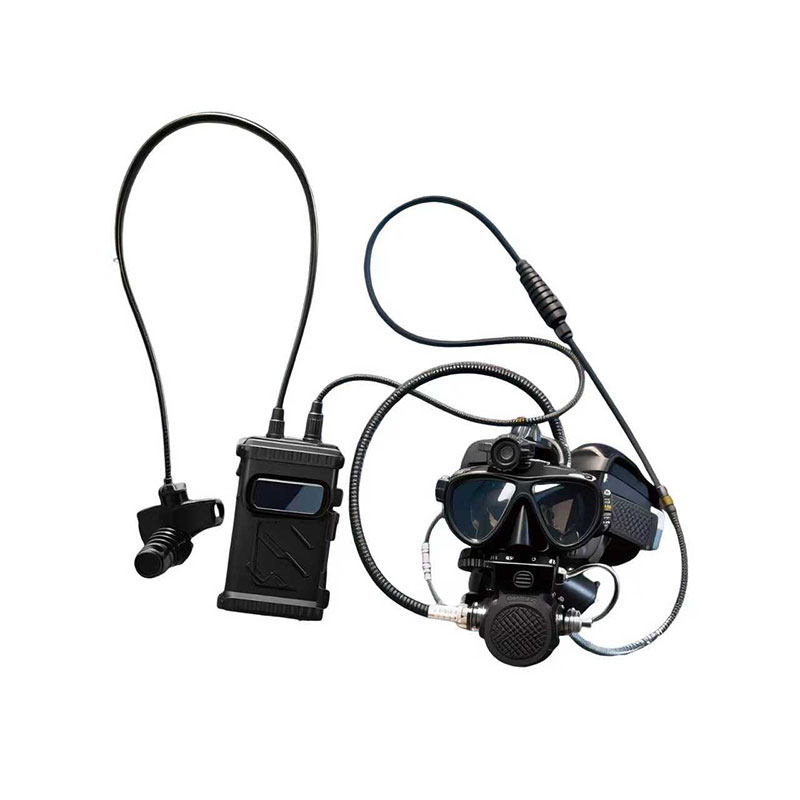 102 Acoustic Communication
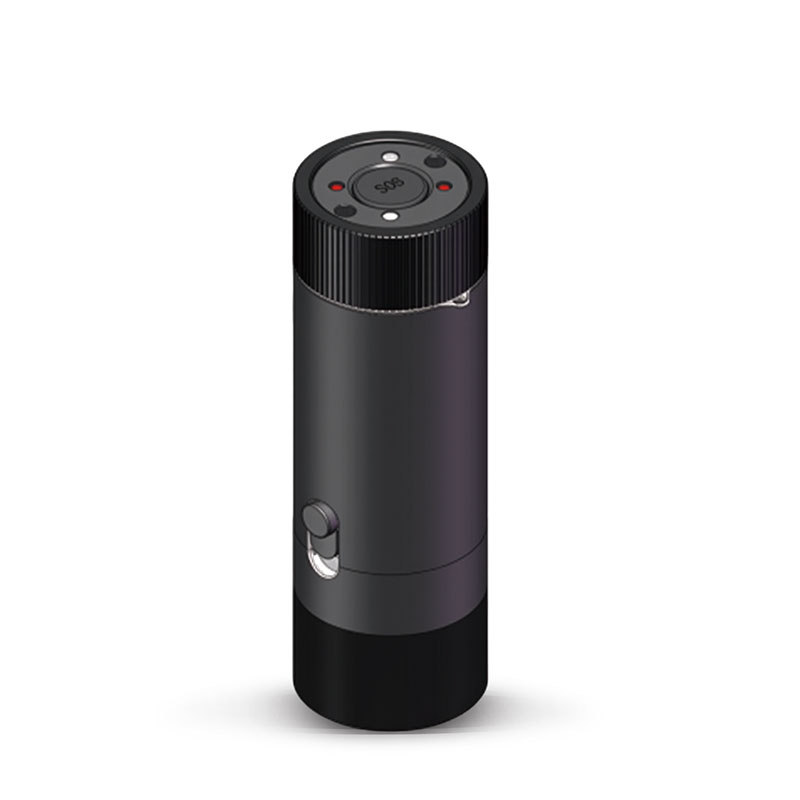 103 Tracking and Locating
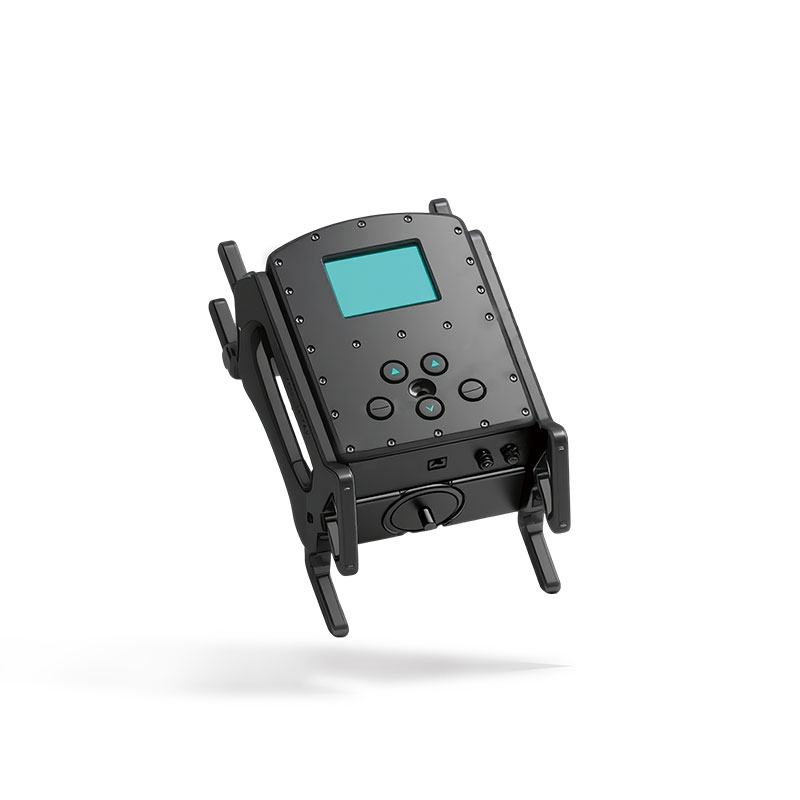 104 Diver Navigation System
 105 Intrusion Detection Sonar
 106 Delivery Locator Beacon
 SLLR3000
 SLLR905
 SLLD25
 108IMU
 150M
150M 500MH
500MH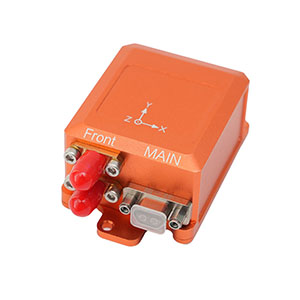 160M
160M 170M
170M SLFC-70
 SLAF280
 MR360
MR360





Lightweight Sensors, Heavy Performance for UAVs
Is your UAV platform struggling to balance weight, stability, and performance?In high-demand environments, you can’t afford to sacrifice precision for portability. As a system engineer or procurement lead, you’re constantly weighing trade-offs: reduce payload or maintain accuracy? Speed up deployment or lose sensor resolution? With the rise of advanced unmanned aerial vehicles (UAVs), finding the right lightweight inertial navigation sensor has become more critical than ever. You need a sensor that’s not only compact but battle-tested, stable, and precise.
Why Lightweight Inertial Navigation Sensors Are Key to Next-Gen UAV Design
In today’s UAV ecosystem, mission success depends on speed, agility, and reliability. But many sensors still force engineers into trade-offs: high accuracy often comes with bulky hardware, while lighter models may lack performance. A true Lightweight inertial navigation sensor changes that equation.
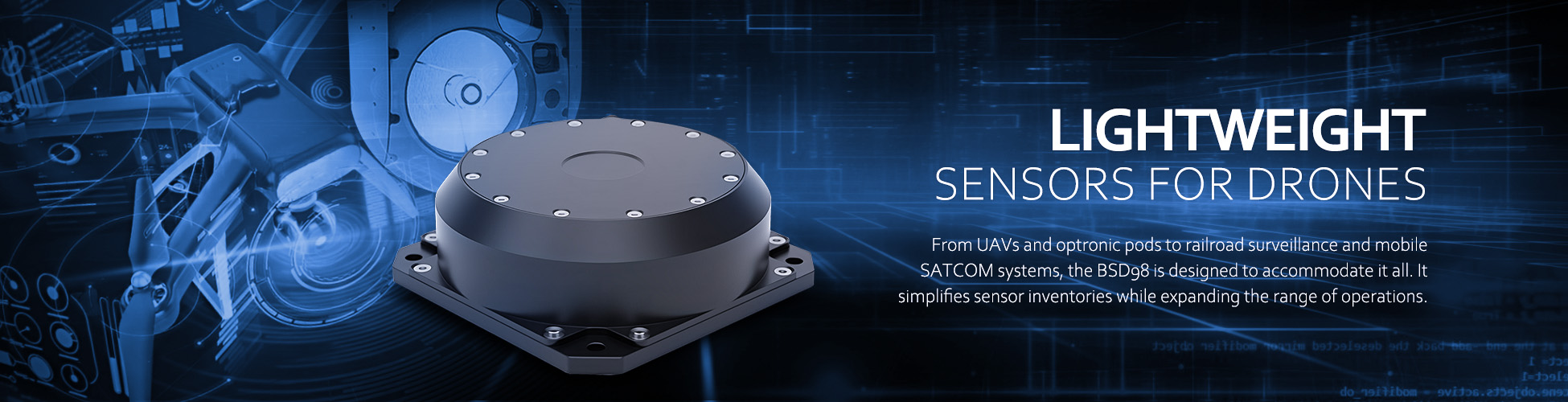
Poseidon’s BSD98 sensor is built to overcome these challenges. With a weight of ≤470g and a compact size of 98mm × 98mm × 35mm, it is ideal for space-constrained platforms. Despite its size, it delivers exceptional zero-bias stability of 0.01º/h to 0.05º/h (with 10s smoothing), which rivals much larger systems.
It’s not just about being light—it’s about being smarter, faster, and more rugged. BSD98 features a digital closed-loop control system that significantly reduces drift and noise. This ensures your UAV maintains reliable heading, positioning, and stabilization, even under high motion and vibration. Whether your application involves fast turns, sudden shifts, or long-range navigation, this sensor holds its ground. Its <1 second startup time gives your platform immediate readiness. No more waiting for slow system initialization—BSD98 is engineered for instant deployment, perfect for high-mobility tasks and fast-response missions.
What Procurement and Engineering Teams Should Prioritize
When you're sourcing a Lightweight inertial navigation sensor, you need more than just a list of technical specs—you need clarity on what features truly impact your platform’s performance and cost-effectiveness.
Here’s what matters most:
1. Precision in Harsh Conditions
BSD98’s low-bias drift ensures accurate data over long missions, even in environments with constant vibration, shock, or temperature fluctuation.
2. Operational Readiness
Faster startup means faster deployment. BSD98 goes from idle to fully functional in under one second. In mission-critical scenarios, this timing makes all the difference.
3. Compact for Easy Integration
With its small footprint and lightweight build, BSD98 fits easily into UAVs without external stabilization components. That saves on weight, wiring, and power.
4. Environmental Flexibility
Whether you’re flying in the desert or arctic, BSD98 operates in temperatures from -40°C to +70°C. It’s ready for all-weather tasks.
5. Versatile Applications
From UAVs and electro-optical pods to railway monitoring and mobile SATCOM systems, BSD98 is engineered to adapt. It simplifies your sensor inventory while expanding your operational scope.
With BSD98, you invest in long-term operational stability, lower lifecycle costs, and platform-ready technology.
Why Poseidon Is the Partner You Can Trust
At Poseidon, we understand that B2B buyers need more than just great specs—they need reliability, service, and seamless integration. That’s why we design and manufacture sensors like BSD98 with attention to what matters most to engineers and procurement teams.
So, whether you're outfitting a new UAV fleet, upgrading sensor systems, or building next-generation autonomous tools, trust Poseidon to provide the Lightweight inertial navigation sensor you can depend on—flight after flight, mission after mission.