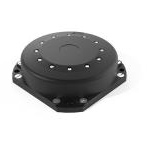
In the fast-changing world of aviation tech, picking the right Air Data Inertial Reference System (or ADIRS for short) is a pretty big deal. It’s not just about keeping planes flying smoothly — it’s about safety and making sure everything runs efficiently. Experts like Dr. Emily Roberts, a respected aerospace engineer over at SkyTech Innovations, often stress how crucial it is to really know your stuff when it comes to choosing this kind of technology. She mentioned, ‘A good ADIRS can seriously boost an aircraft’s navigation and overall performance,’ which shows just how big of a role these systems play in today’s aviation scene.
As aircraft systems get more complicated, having precise air data and inertial measurements isn’t just nice — it’s essential. With so many options out there, understanding what your specific aircraft needs and what your operations require is key. Things like accuracy, reliability, and how well it plays with the systems you've already got in place should all be part of the decision process. Plus, keeping up with the latest tech advances in ADIRS can really help aviation pros pick the system that fits their goals best.
At the end of the day, choosing the right ADIRS isn’t just about safety — it also helps the aircraft perform better and run more efficiently. That’s why it’s so important for everyone involved in aviation to do their homework before making a decision. Taking into account expert advice and industry standards can definitely lead to smarter choices, which ultimately helps ensure success in their aviation ventures.

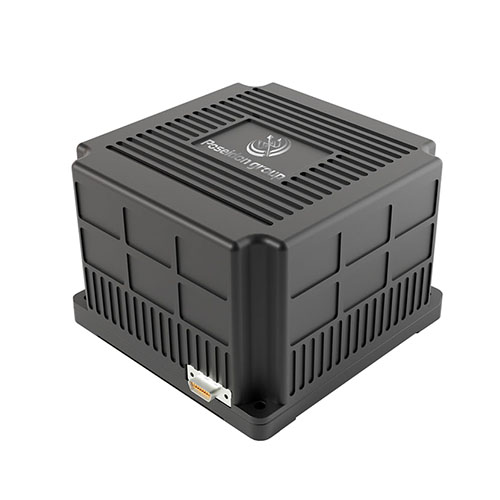
Air Data Inertial Reference Systems (ADIRS) play a critical role in modern aviation by providing essential data related to an aircraft's position, orientation, and speed. These systems integrate data from multiple sensors, including airspeed indicators, altimeters, and inertial measurement units, to create a comprehensive picture of the aircraft’s flight state. By processing this information, ADIRS helps pilots make informed decisions, enhancing the safety and efficiency of flights.
Understanding the workings of ADIRS is crucial for selecting the appropriate system for a particular aircraft. Each ADIRS varies in its capabilities, accuracy, and response times, which can significantly affect an aircraft's performance. Factors such as sensor technology, the complexity of the algorithms used for data fusion, and the system's interface with other onboard avionics must be carefully considered. Additionally, usability for pilots and compatibility with existing systems should also guide the selection process, ensuring that the chosen ADIRS meets both current operational demands and future requirements.
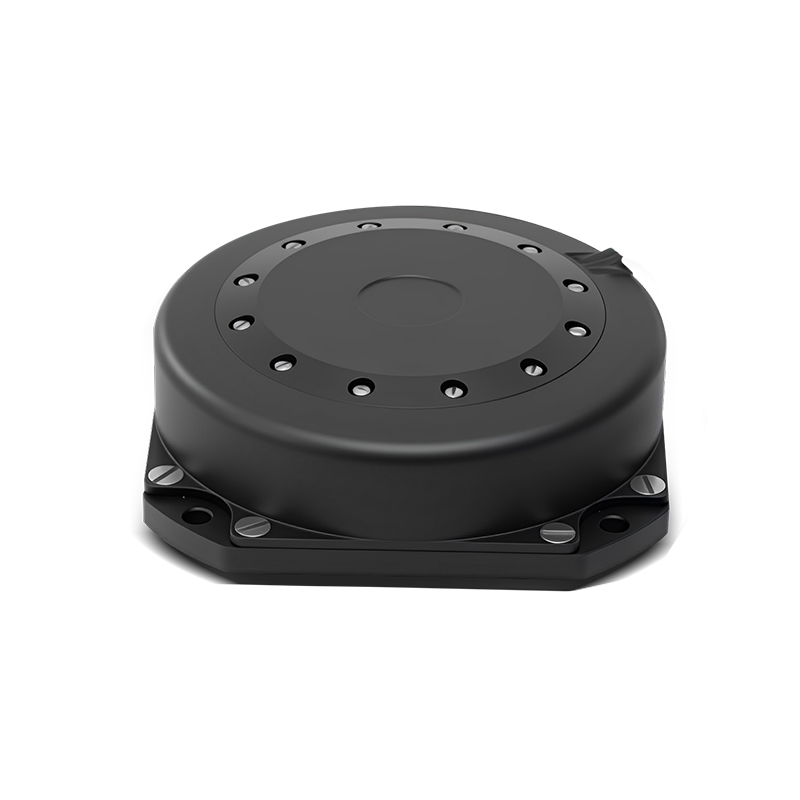
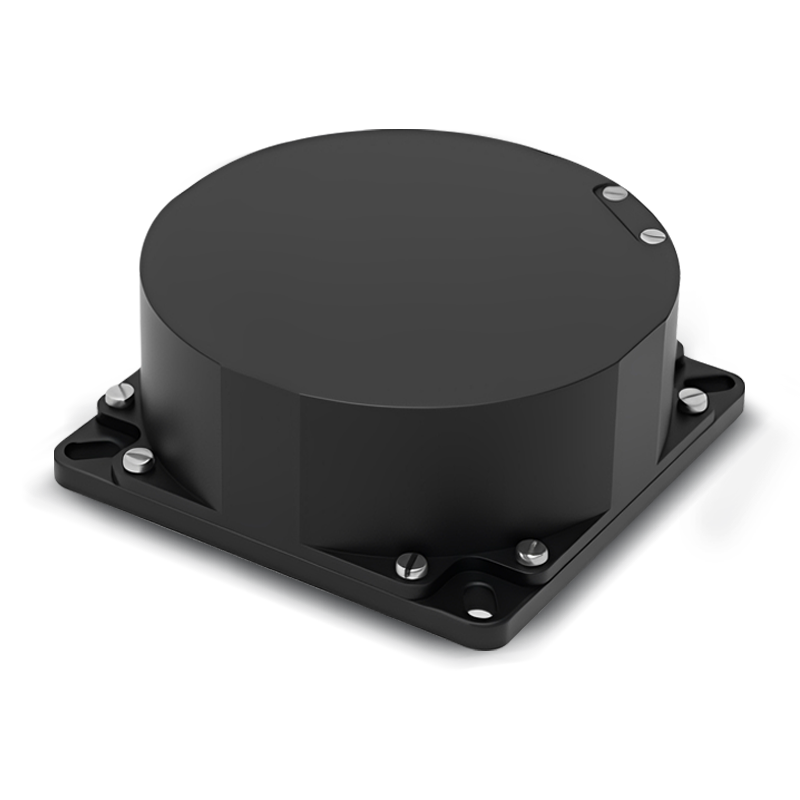
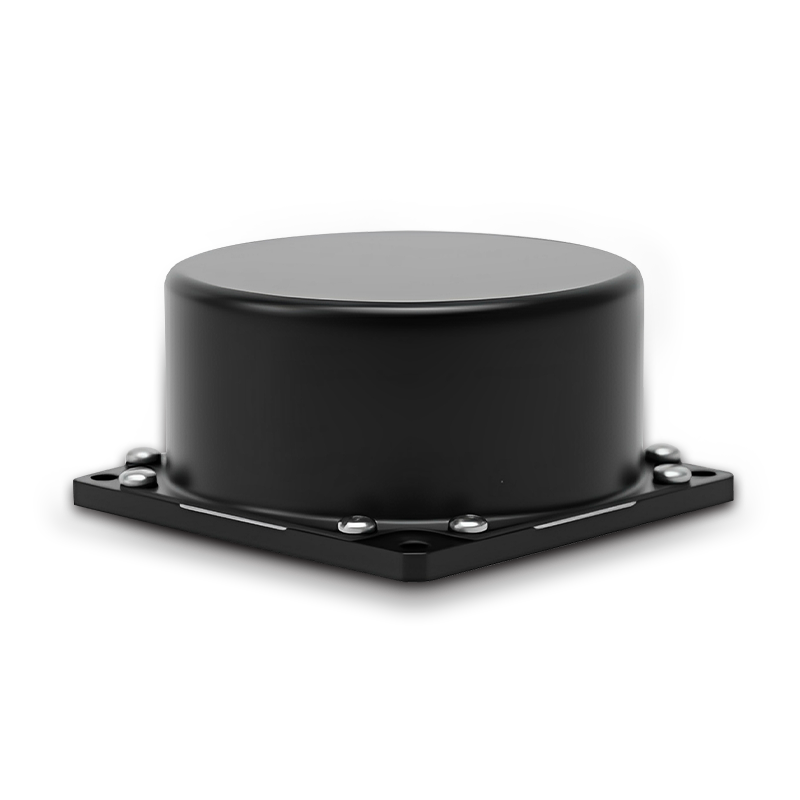
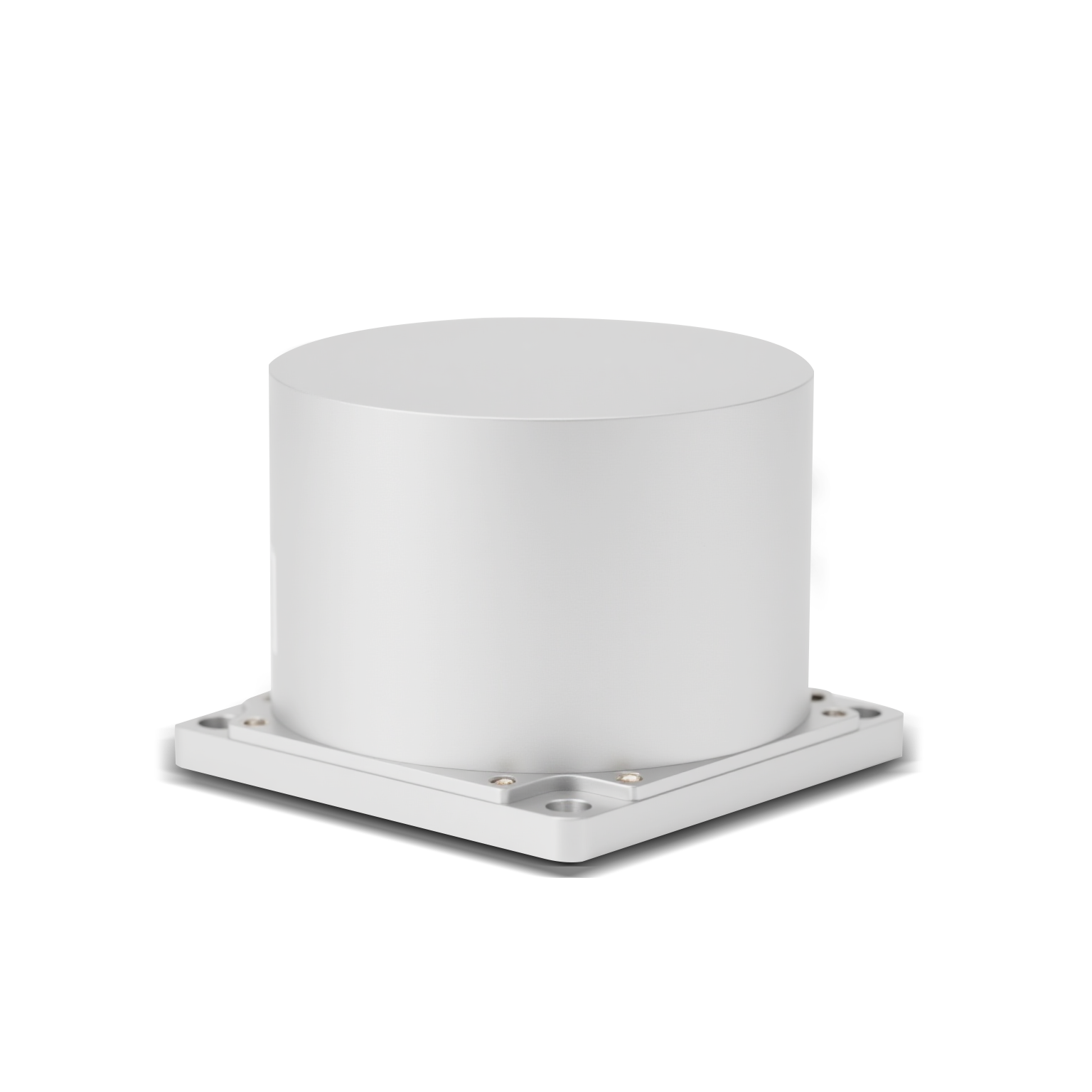
The Air Data Inertial Reference System (ADIRS) is a crucial component in modern aircraft, integrating various sensors and data sources to provide accurate navigation and flight information. The key components of ADIRS include the Inertial Reference Units (IRUs), Air Data Computers (ADCs), and additional sensors such as GPS. The IRUs utilize accelerometers and gyroscopes to track the aircraft's orientation and movement, enabling precise navigation capabilities. According to the International Air Transport Association (IATA), advancements in inertial technology have improved the accuracy of these units to within 10 meters, allowing for enhanced situational awareness.
Air Data Computers play a vital role in converting raw atmospheric data into usable flight parameters, such as altitude, airspeed, and vertical speed. Utilizing inputs from pitot tubes and static ports, these systems continuously measure environmental conditions, ensuring accurate altitude readings critical for safe operations. A report by the Federal Aviation Administration (FAA) indicates that reliable air data processing is essential, as errors in this domain can lead to significant safety risks, contributing to nearly 30% of reported accidents related to navigation and instrument failure.
Moreover, additional sensors, such as GPS modules, further enhance the capabilities of ADIRS. By integrating GPS data, the system achieves superior positioning accuracy, which is vital in complex airspace. The incorporation of these technologies not only streamlines operations but also aligns with ongoing industry trends towards increasing automation and reducing pilot workload. As the aviation industry continues to evolve, selecting the right ADIRS that encompasses these key components will be essential for ensuring optimal performance and safety in aircraft operations.
When selecting the right Air Data Inertial Reference System (ADIRS) for your aircraft, it's crucial to assess your specific aircraft requirements. Consider factors such as the size and type of your aircraft, operational environment, and regulatory requirements. Smaller aircraft might require a more compact and lightweight ADIRS, while larger aircraft could benefit from systems that offer advanced capabilities to handle complex flight dynamics. A thorough understanding of the intended mission profile will guide you in ensuring that the chosen system meets all necessary performance standards.
**Tips:** Before finalizing your selection, consult with engineering experts to evaluate your aircraft's unique specifications. Additionally, conducting simulations can highlight potential issues and compatibility with existing systems, ensuring that your choice will enhance overall aircraft performance.
Taking into account the redundancy and reliability of the ADIRS is also essential. Different missions can place varying demands on the system, so consider how fail-safes and backup options would influence your aircraft's operational readiness. Understanding the potential for future upgrades or integrations with emerging technology is equally important, as it can prolong the utility of your ADIRS selection and improve overall system resilience.
When evaluating the performance metrics of different Air Data Inertial Reference Systems (ADIRS), it is crucial to consider several key factors that directly affect their operational efficacy in aircraft. First and foremost, the accuracy of altitude and airspeed measurements is paramount, as these parameters are vital for safe flight operations. Systems with high precision sensors ensure that the data provided is reliable even in challenging flying conditions. Additionally, the response time of the ADIRS plays a significant role; faster systems can provide real-time data updates, which are critical for pilots making quick decisions during flight.
Another important performance metric is the system's integration capabilities with other avionics. An ADIRS that seamlessly communicates with navigation and control systems enhances overall aircraft performance and contributes to more efficient flight paths. Furthermore, robustness against environmental factors such as temperature variations, vibrations, and electromagnetic interference is essential for ensuring consistent performance in diverse conditions. Therefore, when selecting an ADIRS, thorough assessment of these performance metrics will help in choosing the right system that meets the specific needs of the aircraft and enhances operational reliability.
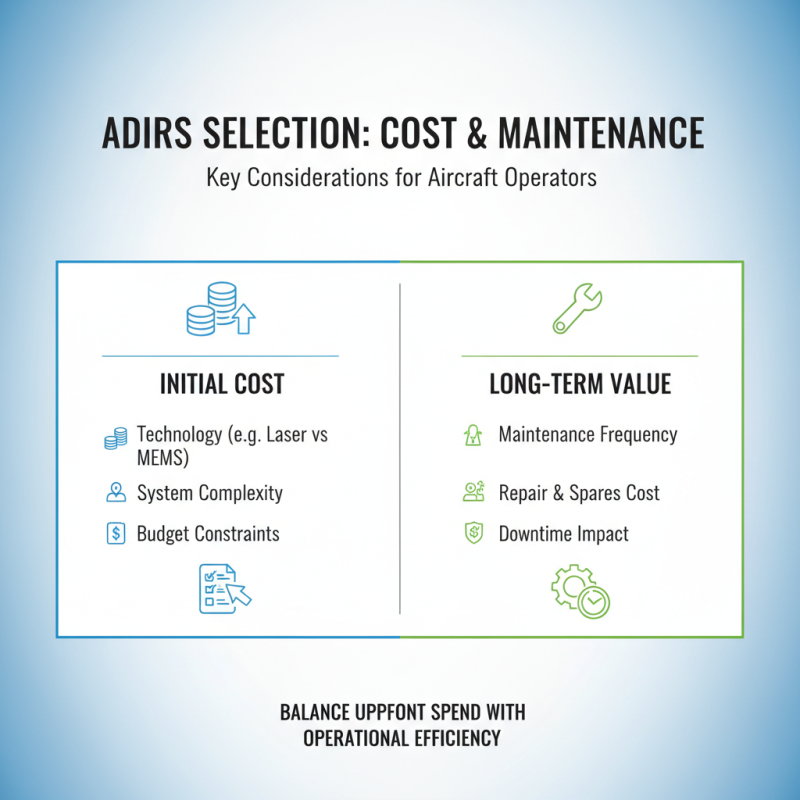
When selecting an Air Data Inertial Reference System (ADIRS) for an aircraft, cost and maintenance considerations play pivotal roles in the decision-making process. The initial acquisition cost of an ADIRS can vary significantly, influenced by the technology employed and the complexity of the system. Budget constraints often require operators to weigh the essential functionalities against the price, particularly in the context of their specific operational needs. It is crucial to evaluate not only the upfront costs but also the long-term financial implications associated with each system choice.
Maintenance is another critical factor that must be considered. Various ADIRS systems come with different maintenance requirements, including routine checks and potential repairs. Systems that demand more frequent maintenance may incur higher costs over time, creating a substantial impact on an aircraft's operational budget. An easy-to-maintain system could reduce downtime and associated costs, leading to increased operational efficiency. Operators should also consider the availability of technical support and spare parts, which can influence both the reliability and the overall lifespan of the ADIRS. Evaluating these aspects will provide a clearer picture of the total cost of ownership and help operators choose the most suitable system for their aircraft.
When integrating an Air Data Inertial Reference System (ADIRS) with other avionics systems, several critical factors must be considered to ensure seamless communication and data exchange. First and foremost, compatibility between the ADIRS and existing systems is paramount. Modern aircraft often utilize a network of avionics components that rely on standardized communication protocols. Ensuring that the ADIRS can interface correctly with these protocols will facilitate the reliable transmission of data, which is crucial for flight operations.
Moreover, the integration process should also address redundancy and fault tolerance. An effective integration of ADIRS with other avionics systems enhances the overall safety and performance of the aircraft. By implementing a robust architecture that allows for data cross-checking between systems, operators can mitigate risks associated with potential sensor failures or discrepancies in data. Additionally, regular software updates and maintenance procedures must be established to keep the systems synchronized and functioning optimally.
Lastly, training for flight crews and maintenance personnel is vital in the integration process. Comprehensive understanding and operational familiarity with how ADIRS interacts with other avionics can significantly improve responses during critical situations. By prioritizing both technical compatibility and human factors in the integration strategy, aircraft operators can enhance the reliability and efficiency of their flight operations, leading to improved safety outcomes.
The evolution of Air Data Inertial Reference Systems (ADIRS) is marked by significant technological advancements aimed at enhancing aircraft performance and safety. One of the prominent future trends includes the integration of artificial intelligence and machine learning algorithms within ADIRS technologies. These innovations promise to improve data accuracy and predictive capabilities, enabling systems to adapt in real-time to varying operational conditions. Through enhanced algorithms, ADIRS can offer more reliable navigation and performance data, which is vital for modern aircraft's complex systems.
Another trend is the miniaturization of components and increased sensor integration, which allows for lighter, more efficient systems. Future designs are expected to leverage new materials and manufacturing techniques, resulting in compact units without compromising performance. Additionally, advancements in sensor technology, such as enhanced GPS capabilities and advanced inertial measurement units, will further refine the precision of air data measurements. As these technologies converge, the future of ADIRS will undoubtedly lead to safer and more efficient flight operations, contributing to the broader advancement of aviation technology.
ir Data Inertial Reference System (ADIRS)?
The initial cost of an ADIRS can vary significantly based on the technology used and the complexity of the system, often necessitating a balance between essential functionalities and price.
Maintenance requirements can differ among ADIRS systems, including the frequency of routine checks and potential repairs, which can impact overall operational costs.
An easy-to-maintain ADIRS system can reduce downtime and associated costs, leading to increased operational efficiency and potentially lower total ownership costs.
Future ADIRS innovations include the integration of artificial intelligence, machine learning algorithms, sensor miniaturization, and enhanced GPS capabilities, all aimed at improving performance and safety.
The incorporation of artificial intelligence and machine learning algorithms in ADIRS technologies is expected to improve data accuracy and predictive capabilities, allowing for real-time adaptation to operational conditions.
Advancements in sensor technology, including improved inertial measurement units and GPS capabilities, are likely to enhance the precision of air data measurements in ADIRS.
Miniaturization of components contributes to lighter and more efficient systems, which can improve aircraft performance without compromising functionality.
The technological advancements in ADIRS contribute to the overall enhancement of aviation technology by promoting safer and more efficient flight operations.
The availability of technical support and spare parts can significantly influence the reliability and lifespan of an ADIRS, affecting long-term operational planning and costs.
The article "How to Select the Right Air Data Inertial Reference System for Your Aircraft" provides a comprehensive guide to understanding and selecting an Air Data Inertial Reference System (ADIRS). It begins by explaining the fundamental principles of ADIRS and its key components, detailing their individual functions. The article emphasizes the importance of assessing specific aircraft requirements when choosing an ADIRS, considering performance metrics and comparing various models regarding cost and maintenance.
Furthermore, it discusses the integration of ADIRS with other avionics systems, highlighting the collaborative role these technologies play in enhancing aircraft navigation and safety. The conclusion points toward future trends in ADIRS technology, suggesting ongoing innovation that will likely impact performance standards and operational efficiency. Overall, this guide serves as a valuable resource for aircraft operators and engineers in making informed decisions about their air data systems.